


VoyageMinnesota Interview
I was happy to do an interview with VoyageMinnesota last fall, writing about my experience with entrepreneurship and business ownership. Take a read below, or you can visit VoyageMinnesota’s website here to read the article in its entirety.
Today we’d like to introduce you to Kendra Olson.
Hi Kendra, so excited to have you on the platform. So before we get into questions about your work-life, maybe you can bring our readers up to speed on your story and how you got to where you are today?
I worked at a large clinic system for about 12 years before I decided to start my own mental health private practice. Towards the end of my time at my previous employer, I started to see clients who were new mothers, became a mother myself, and took further trainings to increase my expertise in perinatal mental health. I am three years into my business, and I am still navigating the steep learning curve of running your own business. I don’t look back and wish I still worked for someone else, despite there being more uncertainty as a solo business owner. I am passionate about helping women and mothers navigate their family-building years of life, and providing care within my business model also means I have the time and capacity I need to show up as a mother to my own children. My business has grown in three years and continues to, though I often have to remind myself to “ride out” the lulls and slower periods of client referrals. Launching my own business as a woman and mother has been the most impactful experience in increasing my self-confidence-I just wish I’d done it sooner!
We all face challenges, but looking back would you describe it as a relatively smooth road?
No; many periods of slow client referrals, lots of energy put into marketing myself, learning marketing strategies, and meeting as many people who worked with mothers as well. I’m learning there will always be periods of slow business and keeping faith that business will rebound.
We’ve been impressed with Psychotherapy for Maternal Well-Being , but for folks who might not be as familiar, what can you share with them about what you do and what sets you apart from others?
I provide mental health care for women during the family-building years of life. Women who are experiencing infertility, a difficult pregnancy and postpartum adjustment make up my client caseload, as well as mothers who are farther along in the parenthood journey. My business model allows me to do more for my clients in terms of specializing their care and I have advanced training in perinatal mental health. I am not a generalist therapist, and strongly believe mothers deserve specialized care from someone who understands mental health in the perinatal period and the radical change that is motherhood. I am proud to see other professionals trust my expertise and refer to me, as well as see current and previous clients refer their friends to my care.
Can you talk to us about how you think about risk?
I would never have considered myself a risk-taker in my life; leaving my previous job without a full caseload in my private practice was a scary leap but what made sense. I was fortunate to have a partner who had an income, but I was not sure at the beginning if my business model would be successful. I also experience risk-taking when marketing my business and myself-it is scary to “put yourself out there”! Risk is an inherent part of creating a successful business and part of how you create confidence in yourself and what you do.
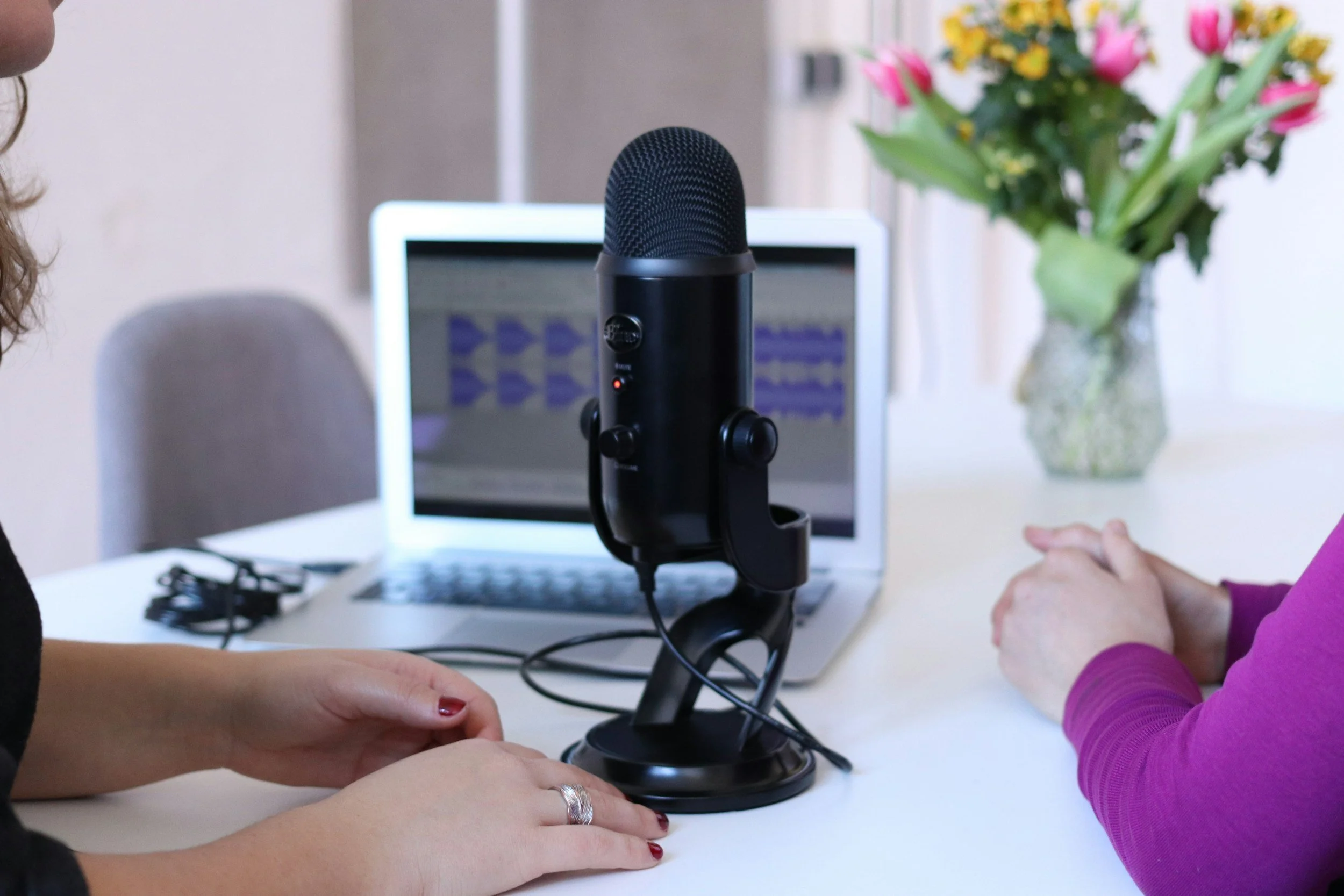
Made for Minnesota Moms Podcast Interview and Blog with Newborn Photographer Megan Norman
Q&A with Kendra Olson, MSW, LICSW, PMH-C
1. How did you become specialized in perinatal and maternal mental health?
Kendra had already been a therapist for a couple of decades before she specialized. The shift happened after she had her first daughter. About six months postpartum, her boss at the time asked if she wanted to join their reproductive mental health team, a group of therapists whose caseload was women and moms.
At first, Kendra said the timing wasn’t right. She was still finding her footing as a new mom herself. But about eight years ago, she made the move. Then, roughly three years ago, she launched her own practice and made a decision. This was going to be the only population she worked with. No more general caseload. Just women in the family building years of life.
2. How can moms tell the difference between normal baby blues and something that needs more support, like postpartum depression or anxiety?
Kendra explained that the first two weeks postpartum are generally considered the baby blues window. Big highs and lows are normal here, from joyful moments to tears to feeling overwhelmed, largely thanks to the dramatic hormonal shift that happens when the placenta leaves your body.
What she watches for is whether things stabilize after those two weeks. If mood swings continue, if worries and anxieties keep building, if your usual coping strategies stop working, or if a partner notices ongoing changes in sleep or eating, those are worth a closer look. These can be signs of a postpartum mood or anxiety disorder, and Kendra pointed out that the standard six week postpartum checkup often doesn’t leave much room to talk about any of this. It’s part of why therapy for women matters so much in that postpartum window specifically, when the six week checkup isn’t built to catch it.
3. How do you support women through infertility, pregnancy loss, and early pregnancy anxiety?
Kendra said she often meets clients at the very start of the family building process, whether that’s trying to conceive, working through infertility treatment, or experiencing pregnancy loss. She also works with women mid pregnancy who are doing okay right now but want support before postpartum arrives, which she said she loves seeing more of. You don’t have to wait until things feel hard to reach out.
4. What do you wish more people understood about the emotional toll of miscarriage, failed IVF, and fertility treatment?
This is where therapy for women navigating infertility looks different from general talk therapy, and this question clearly mattered to Kendra. She talked about how grueling the process is, physically and emotionally, and how much waiting and uncertainty women sit with along the way. A lot of her work is helping clients trust their own feelings instead of dismissing them as “just hormones.”
She also used the phrase ambiguous grief to describe pregnancy loss and infertility. It’s a type of loss that’s harder for people, including the person experiencing it, to fully validate or find closure around. She added that shame plays a role too, since so many women feel like an inability to conceive easily is a personal failing, when it isn’t. And she pointed out something worth remembering: if a woman does conceive after infertility, that experience often shapes how she adjusts to motherhood afterward.
5. How do you help moms navigate social media and mom culture pressure?
Kendra brought up how much of a role social media plays for new moms, for better and worse. The issue isn’t social media itself. It’s that you’re often seeing someone’s highlight reel, or a confident opinion from someone with no real credentials, while you’re feeling scared or unsure. That combination can spiral fast, and she’s seen clients spend half an hour convinced their child has a certain diagnosis just from what they scrolled past.
Her approach isn’t about cutting social media out completely. It’s about being honest about how it’s affecting your mental health and finding ways to limit that impact when needed.
6. What does the process of rediscovering your identity outside of motherhood actually look like in therapy?
Kendra described this as different for every client, but it often starts with something like a needs assessment. Do you have any time to yourself? Are there hobbies you still make room for? From there, she looks at whether basic needs are being met, including time where the demands of other people are temporarily paused.
A big piece of her work is helping women look at whether the balance in their household actually reflects what they need, instead of automatically defaulting to putting themselves last. She was honest that this is something she has to actively practice in her own life too, not just something she teaches.
7. What’s a common myth about therapy for women that you wish more moms knew?
Kendra said the biggest one is thinking you have to be in crisis to justify seeing a therapist. You don’t have to be unable to function or unable to get out of bed. If something is weighing on you, or you’re thinking ahead to a vulnerable time like postpartum, that’s reason enough to reach out. She also pointed out how much of this mindset gets shaped by cost and insurance access, which is a real barrier for a lot of people. But she compared it to physical health. We don’t wait for a crisis to go to a yearly physical.
To read the full blog and watch the podcast interview, click here and here! And if you’re looking for a Newborn Photographer, Megan Norman is a must with her skill and talent for capturing important moments with your family. Check her out here!

Social Media and Motherhood: Helpful, Hurtful, or Both?
If you’ve ever found yourself scrolling at midnight while nursing a baby, wondering why everyone else seems to be doing this so much better than you, you’re not alone.
A lot of the moms I work with are doing the same thing.
Social media and motherhood are deeply tangled right now. And the relationship is complicated. For some moms, it’s a lifeline. For others, it quietly feeds the overwhelmed mom spiral that already feels hard to climb out of.
So what’s actually happening when moms are on social media? And how do we use it in a way that supports mental health rather than chipping away at it?
Let’s talk through it.
Why Moms Are Turning to Social Media
Motherhood can feel incredibly isolating, especially in those early weeks and months. Additionally, many moms feel a responsibility to seek information, do research, and continue to expand their understanding of their child or parenting issues.
What we’re seeing in practice is that moms often turn to social media looking for three things: connection, information, and reassurance. And our phones are usually a reach away and getting information is so easy and accessible.
Moms want to know: Is this normal? Is anyone else feeling this way? What worked for someone else?
Those are real and valid needs. And for many moms, social media is the most accessible place to meet them, especially in the middle of the night when a Google search feels too clinical and no one else is awake.
We see moms searching for answers about sleep, feeding, postpartum anxiety, relationship shifts, and the quiet grief that can come with losing yourself in motherhood. Social media can feel like the fastest path to support when everything else feels out of reach.
How Social Media Can Actually Help
When social media is working well for moms, it creates something really meaningful: a sense of “me too.”
Finding a community of other moms who are in it with you can reduce the loneliness that comes with new motherhood. It normalizes the hard parts. It reminds moms that struggle is not a sign of failure. Modern motherhood places enormous pressure on moms to “do it all” and do it alone, which history would argue is not the best way to move through parenthood for mothers or children. Social media can provide quick source of connection when someone really needs it.
Research supports this. A 2022 review published in the National Library of Medicine found that online peer support communities can reduce feelings of isolation and improve maternal well-being, particularly for moms with limited in-person support networks. I will recommend certain social media accounts for vetted information about motherhood and parenting to my clients, especially if they are lacking support.
Social media can also be a genuinely helpful source of parenting information. Following accounts led by doulas, therapists, lactation consultants, and other perinatal professionals means moms have access to real, informed guidance between appointments.
When used with intention, it can be a space where moms feel seen, supported, and a little less alone.
When Social Media Starts to Hurt
Here’s where it gets more complicated.
What I’m also seeing in practice is that social media can quietly make things harder, especially for a mom who is already stretched thin.
Comparison. The curated nature of social media means what we see is almost never the full picture. Yet our brains compare anyway. When any mom sees highlight reels of seemingly effortless motherhood, it can deepen feelings of inadequacy, guilt, and shame. Social comparison in motherhood is not new, but social media amplifies it in a way that feels constant and inescapable. Research published in Frontiers in Psychology links heavy social media use to increased appearance-related and lifestyle-based social comparison, both of which affect maternal well-being. I see clients that can simultaneously know they are seeing the surface picture of someone’s life, but still experiencing increased self-doubt and feeling of inadequacy.
Misinformation. Not all parenting content is created equal. Social media is full of well-meaning but inaccurate advice. Moms searching for answers about postpartum anxiety, infant sleep, or feeding can easily land on content that is outdated, oversimplified, or outright wrong. That can create more fear and confusion, not less. Social media influences are often posting about their own personal experience and generalizing this should be everyone’s experience, which is dangerous.
Too much information. Even when the content is accurate, the volume can be overwhelming. Moms can fall into a research spiral that leaves them more anxious than when they started. Information overload is one of the most common patterns I see in practice, and it is worth naming. We know that anxiety can increase with TOO much information, despite our brains thinking more information is always “good”.
5 Ways to Use Social Media in a Way that Supports your Mental Health
The goal is not necessarily to avoid social media altogether-for some clients, I might recommend a temporary “break” from it. For many moms, it genuinely serves a purpose.
What can help is being more intentional about how and when we use it. Here are some options to consider:
1. Curate and filter your feed
This is my #1 recommendation. What we follow shapes how we feel. If certain accounts consistently leave you feeling worse, that is information. Unfollow, mute, or limit those. Be aware the algorithm sees what you’re looking at and will feed you more of that, and you don’t have full control over what you are exposed to. Seek out accounts that feel grounding, honest, and human rather than performative.
2. Block or limit triggering content.
Most platforms now allow you to filter specific topics or keywords. Using these tools puts more control back in your hands.
3. Reduce overall time on the app.
Even 15 to 30 fewer minutes a day can make a noticeable difference in mood and mental load. Screen time limits, app timers, and phone-free windows during feeding or bedtime are small shifts that add up over time. Evaluate when you tend to be on social media the most-during feedings, late night wakings or nap time? Think about other activities you can do during these times.
4. Build other sources of information.
Social media works best as one of many resources, not the only one. Connecting with a doula, therapist, midwife, or pediatrician means you have trusted, personalized guidance that exists outside of the algorithm. I even recommend clients get a physical book they can hold and read about parenting and baby information-have this be your “go-to” as well as your pediatrician/doctor.
5. Check in with how you feel after scrolling.
This one is simple but worth practicing. Feeling more anxious, irritable or hearing more self-doubting thoughts are a signal to you. If a pattern of feeling worse follows a certain app or account, your nervous system is giving you data. It’s worth listening to it.
Frequently Asked Questions
Is social media bad for moms' mental health?
Not automatically. It depends a lot on how it is being used and what is being consumed. Social media can be a genuine source of support and connection. It is important to note that and support and connection within social media cannot replace being in-person with others and reciprocal relationships. What we’re seeing is that the harm tends to come from passive scrolling, comparison-heavy content, and relying on it as a primary source of information without other supports in place.
How much social media is too much for a new mom?
There is no universal number. What matters more than the clock is how you feel after. If social media is leaving you more anxious, more depleted, or more disconnected from your own experience, that is a signal worth paying attention to, regardless of how long you have been on it. It can also be helpful to think about what else you would be doing if you got back the time you spend on social media-are there other activities or experiences that would bring you joy or relaxation? Could you take an hour from social media time and invest it in another activity instead?
What kinds of accounts are actually helpful to follow?
Accounts led by real professionals in perinatal care, including doulas, therapists, lactation consultants, and midwives, tend to offer more grounded, evidence-informed content. Accounts that normalize the unfiltered parts of motherhood can also be genuinely supportive. A simple test: how do you feel after you see their content?
What if social media feels like my only source of support?
This is more common than people realize, especially in the postpartum period. If social media is filling a connection gap, it may be worth exploring what other support could look like. That might be a local mom group, a therapist who specializes in maternal mental health, or a postpartum doula who offers ongoing care.
Can social media make postpartum anxiety worse?
Social media is unlikely to cause postpartum anxiety on its own. But for a mom who is already navigating a vulnerable season, constant comparison, information overload, or exposure to fear-based content can intensify anxiety. If postpartum anxiety is something you are working through, it is worth talking with a professional about what role social media might be playing.
Social media is so accessible, and offers some positives, so not using it at all isn’t realistic for most moms.
What I want is for every mom to feel like she has real agency over how she uses it and what it does to her.
If social media is leaving you feeling more like yourself, more supported, more grounded, that is worth keeping. If it is quietly feeding the overwhelmed mom spiral, it is worth looking at honestly and without judgment.
You get to decide what serves you. And you deserve support in figuring that out.

The Invisible Load of Motherhood: Why It Can Turn to Resentment Towards your Partner
Feeling angry and frustrated at your partner since having a baby? This is quite common and part of relationship dissatisfaction after a baby joins the family. Feeling solely responsible for the anticipation of needs (does the baby have enough clothes?), the planning on how to meet those needs (when can I get to the store to buy more onesies?) and then executing on the task are all part of the invisible load of motherhood. The good news is that couples can tackle resentment and find new ways to divide the labor of the home in ways that work for both.
What Is the Invisible Load of Motherhood?
The “invisible load of motherhood” describes the often unseen work that is required to run a home and care for children. Imagine how the toilet paper roll is changed without anyone seeing it done, the pantry is stocked when no one notices, or a mother is busy doing the mental work of figuring out when to leave for a family event and be back in time for naps. This work has historically defaulted to mothers/women. It exists in relationships prior to having children, but the amount of work increases significantly once a baby arrives.
Why does the Invisible Load Spike in the Fourth Trimester?
Once your baby arrives, you are now caring for and managing another person’s life. There is the physical care of the baby, but also all the anticipation of needs and planning for how to meet those needs happens first (and often inside our own heads). Add sleep deprivation and that negatively impacts how we regulate our own emotions. We are also adjusting to a shift in our relationship with our partner, and at times feeling frustrated that we may be expected to respond first or more often to our baby’s needs. We also factor in gender expectations in parenting, especially for heterosexual couples, and significant societal pressure to be a “perfect mom” and “natural” at this new job.
How Invisible Load Becomes Resentment Toward Your Partner
Resentment is anger or frustration that is unspoken. Both parents may have expectations about dividing the work of caring for a baby, and these expectations come from societal expectations about gender roles, and what each person learned about how their own parents divided the workload when they were growing up. It’s very common for “score-keeping” to play out, which means mentally tallying what you are doing versus what your partner is doing. You might be doing this because there is an inequity in the division of work, and the reality of holding more of the work for certain care tasks for the baby (such as feeding if breastfeeding or baby calming more quickly with mom). Managing the work of nighttime feedings and wakings can be tricky for parents, and often a source of resentment for mothers if they are exclusively breastfeeding or feel they need to “protect” their partner’s sleep if they are working outside of the home.
Quick Wins You Can Try This Week
So, what can be done to address any inequities for new parents, which in turn, may reduce resentment showing up for either parent? It is important to remember that each family and couple has different considerations to find the system that works for them. Here’s a few strategies to help:
Split the night into shifts if using a combination of feeding methods-one parent takes the first shift, the other parents takes the second shift. This can help each parent get a 4-hour stretch of sleep. If mom is exclusively breastfeeding, consider dad getting the baby “set up” for feeding, and then putting baby back to sleep once mom is done. This can cut down on the time both parents are awake, and mom feels supported in carrying the bulk of this work.
Start to use language like “partnering” on tasks versus Dad “helping”, or deciding with each other about “who owns what” in regards to tasks. This helps both parents shift their mindset about partnership and both parents being responsible for all aspects of parenting (remember conceptualizing, planning and execution are involved with all tasks).
Lastly, planning weekly “check-ins” can go a long way in reducing feelings of resentment and increasing emotional connection for new parents. Talk about how the system is working at home, express any frustration or feelings that need to be said, and create a new plan if needed.
Boundaries That Protect Your Energy
It can also help to talk about the boundaries that protect your family’s energy and your individual energy. Limiting visitors, scripting how to respond to unsolicited advice, and how each of you get some time to yourselves are helpful topics to discuss.
If you’ve found yourself trying to make change in your relationship but it hasn’t seemed to help, it makes sense to consider talking to a couples’ therapist, or seeking individual therapy for yourself. Psychotherapy for Maternal Well-Being works with moms during their postpartum period, and can help identify feelings of resentment, why they exist, and how to communicate more effectively about your needs. Working on yourself can have a positive impact on your relationship, and also support your own adjustment to motherhood.

My Guest Blog Post with How2Mom
Preparing for the Fourth Trimester
Check out my recent guest blog post with How2Mom! How2Mom is a local company that offers birth and postpartum doula services, as well as many other services to expectant and postpartum people. I was happy to write for their blog about preparing for the “fourth trimester”-the three months after birth that is full of significant change mentally and physically. Check it out here!

The Myths of Motherhood Part II
This blog post is a deeper dive into a previous blog post I wrote about the myths of motherhood, and can also be found on Postpartum Support International’s Website.
As a perinatal and maternal mental health therapist, and mother myself, I have witnessed and experienced the subtle and overt beliefs our society holds about motherhood and women. Motherhood is a social construct, certainly steeped in patriarchy, sexism and misogyny. I see the impact of the resulting pressures on mothers, though also get to see the transformation once a mom releases the “pressure valve” and allows themselves to narrate their own experience of motherhood. These myths persist throughout the years of motherhood, and many mothers find themselves still struggling with “how to be a good mom” years into motherhood. Spoiler alert: the formula for “how to be a good mom” is based on these myths. Below I’ve detailed the most often-heard myths from mothers in my therapy office, as well as some ways to de-construct each myth.
“Motherhood should come naturally.”
There are a lot of influences that make someone believe that the moment they become a mother, it should “feel natural”. Though this may be some people’s experience, it is not true for everyone. It can be helpful to remember that the relationship with a child is a new relationship, and we can’t expect to know this little person the moment they enter the world. If someone is a first-time mom, it is a new job and in turn means there is a lot of learning to do. Moms don’t often give themselves enough room to learn and make mistakes. It is important to trust one’s instinct they will “figure it out," rather than believe the myth that one’s “maternal instinct” will know exactly what to do.
“I should be able to do it by myself.”
Perhaps this myth is an off-shoot of “it should come naturally"-if someone expects they should know what to do, then they shouldn’t need help. Being a mother and parent is often the job that we value the most, so this too increases the desire to be a “top performer” when it comes to the job as mother. There is high importance placed on individualism and perfectionism in our country, which permeates parenting trends and strategies. It is also important to acknowledge that mothers are often held to higher standards than fathers, which perpetuates the belief “mom knows best” or is ultimately the one responsible for all things child and household-related. This under-estimates fathers and their confidence, contributes to uneven distribution of labor in the home, and creates relationship dissatisfaction. Moms can also struggle with allowing others to help because they have a vision of how things should happen or be done; some mothers can even thwart others’ attempts to help. There is a strong identity rooted in “doing everything” as a mother in order to be a “good mother”. It takes acknowledging our own needs are still important, and there is no way to meet them consistently if we don’t ask for help and partnership in parenting.
“I should enjoy all parts of motherhood.”
When the topic of “mom guilt” comes up in my therapy office, it is often rooted in the above-mentioned myth. Mothers will describe feeling guilty they want their children to be out of the house, or dread playing with them at times-when we “dig deeper," we find a belief/myth that not enjoying parts of motherhood MEANS we don’t love our kids or are not “grateful” enough about having them. It is an idealized notion we will enjoy every aspect of motherhood, and “mom guilt” drives us to say “but they are so worth it!” when we might acknowledge dislike, dread or disdain for certain aspects of motherhood. We tend to equate how much we enjoy motherhood to how much we love our kids-Let’s agree these are two separate things. Others can meet our kids’ needs too.
“I need to sacrifice my own needs for my children.”
When I talk about sacrifice in motherhood with my clients, I am specifically speaking to consistent, complete, or utter self-sacrifice, which creates negative consequences for that mom. Basic needs go unmet, she has little to no time thinking about herself or being alone, and holds a belief that being self-sacrificing is the epitome of being a “good mom”. Mothers are held to a higher standard than fathers in order to be labeled a “good mom”-though we may have an idea of what makes a “good dad," these standards are not as rigorous or the same as the standards for mothers in our society. “Mom guilt” enters the picture here as well, which then drives more self-sacrificing. Is it challenging to care for ourselves as mothers when the demands are unrelenting during parenting? Yes, there is no doubt about that. However, lowering our standards, challenging perfectionism in parenting, expecting partnership from our significant other rather than “help” can all move the needle to “good enough” for our kids and thus leave more space for mothers to meet their own needs more often.
The above myths are only a few of the countless that persist in our culture, and I am certainly not the first to discuss this topic. Whether you are a mother reading this, or a professional that supports mothers, it is vital to assess yourself or your clients within the current societal construct of motherhood. Mothers deserve better preparation, support and societal change in order to navigate motherhood.
Resources related to myths of motherhood and mental health:
https://www.ncbi.nlm.nih.gov/pmc/articles/PMC9765384/
https://pubmed.ncbi.nlm.nih.gov/23007052/
https://www.nytimes.com/2022/08/26/opinion/sunday/maternal-instinct-myth.html

Protecting Your Mental Health During the Holidays
As I reflect on my own parenthood experience and what I hear from other mothers in therapy sessions, there are a few things I hear again and again during this time of year. Despite the joy and expectations of happiness for this time of year, many are struggling with their emotional and mental health. Here are a few ideas of how to cope and protect your mental health during this time of year.
#1 Think about your boundaries ahead of time, and allow yourself to change them as needed. This may look like accepting invitations to certain family gathering or other events after you have assessed WHY you want to participate. Too often we say “yes” out of habit or obligation, rather than allowing ourselves to really assess the “cost-benefit” to certain activities. Additionally, if you get to the day of plans and you need to change your plans, you can. It can be stressful to know others want to see you and your kids, and that they may feel disappointed with any changes. But remember to re-frame these situations- telling yourself “I understand they may be disappointed” rather than “I caused their disappointment”. If we continually prioritize others’ feelings above our own, we will likely become resentful and burnt out.
#2 Try to keep consistent with the things you do the rest of the year to maintain your emotional and mental health. Given how busy things can be and the one-a-year events happening, we might forgo our exercise, time with friends, sleep habits and relaxation time for ourselves. Try to find ways to keep those foundational coping skills in place, and allow yourself to modify-maybe you can only make it to the gym twice instead of your typical four times, and that is okay.
#3 Consider additional help or even therapy if you find yourself unable to cope effectively, or are experiencing anxiety or depressive symptoms (these may be increased during this time of year). This can mean asking your support system to help you with the holiday “magic-making” (or talking with your partner about dividing the work more equitably), doing less, and really thinking about whether some of your emotional struggles exist outside of this time of year as well. We often convince ourselves that our distress is only due to circumstances, rather than seeing we might have maladaptive coping tools or lack tools all together.
It’s often the simplest of things that bring joy and warm memories for us and our kids during this time of year-so it’s okay to slow down or stay home.

Maintaining Relationship Satisfaction As You Transition Into Parenthood-Joshua Kellar, LMFT, LPC
The journey into parenthood is a remarkable and transformative experience, one that brings joy, challenges, and a newfound depth of love. Yet, amidst the excitement of welcoming a new life, couples often find themselves facing unexpected obstacles in their relationship. Many couples share the sentiment that their partner doesn't truly understand them anymore, as the dynamics shift and new roles emerge. Navigating this intricate terrain requires intention, effort, and a deep commitment to each other. In this exploration, we delve into the principles that can help you maintain relationship satisfaction as you transition into parenthood, drawing from the wisdom of John Gottman's insights in "7 Principles for Making Marriage Work."
Many couples express dissatisfaction in the relationship claiming they do not feel like their partner even knows them anymore. As you transition into becoming a parent there’s a world of thoughts and feelings that are all brand new. Without intentionally choosing to explore these with each other, you could begin to feel as though your partner doesn’t know who you are. Choosing to learn about each other builds what we call “love maps.” Love maps are the layout of your world and just as you learn your way around town using a map (or GPS) building love maps is how you become familiar with your partner’s changing world as you continue to learn what it means to be a parent.
Additionally, paying attention to each other’s needs is vital for maintaining relationship strength and friendship. Being a new parent is difficult for both partners but in different ways. Often the non-birthing parent can feel like they do not have a right to have needs and so they withhold sharing and not needs go unexpressed. This can lead to resentment and loneliness. When we turn towards each other’s needs, we communicate that we are available and that we can be trusted. As you pay attention to how your partner might need help, they know you are committed and will be open to influence as well.
Conflict is not only inevitable, it’s crucial for maintaining relationship intimacy. Couples I work with often raise an eyebrow when I say they cannot have intimacy without conflict. Most of them fight tooth and nail to avoid conflict. This is because the type of conflict most couples have ends in distance and withdrawal. As you transition toward parenthood the changes you will experience require both of you to adapt. Choosing how to engage in healthy conflict is how you will successfully navigate through this and at the same time create more closeness between you.
First, you have to shift focus from your partner and talk more about yourself. Yes, talking more about yourself involves sharing your feelings and needs using “I” statements. Instead of, “You’re changing the diaper wrong,” using an I-statement you’d say, “I’m nervous that everything won't be contained that way, could you be sure to do it like this?” I-statements will lead toward less defensiveness and allow your partner to understand you better without feeling criticized.
Second, listen to your partner with interest and curiosity. It can be incredibly difficult to suspend judgment to hear out the other person but when you do, you’ll be able to catch the gems that are hidden beneath the surface. Having curiosity means asking deepening questions like, “Oh yeah? Can you tell me more about that?” and “What did you mean when you said… I’d like to understand that better.” Or “Is there anything else I should know about how you feel about this?” Choosing curiosity will help your partner feel that you are not stuck in your perspective and that their dreams and desires matter.
Finally, know when to take a break if you’re feeling overwhelmed. Even the healthiest individuals can get flooded. This is when the emotions grow to an overwhelming point and it becomes difficult to continue thinking straight. In conflict, it means you’re either shutting down or have escalated toward raging. No logical thinking or reasoning is happening when you’re flooded. Agreeing with each other that when this happens you will take a short break and try to return when you’re both calm is the best way to try and finish the conversation.
Additionally, maintaining relationship health as you become parents involves creating shared meaning and rituals of connection. Shared meaning happens when, together, you know something special is occurring between you. We create shared meaning in several different ways. Symbols, for example, capture the essence of something we value with a simple word or picture. We also create shared meaning with roles. As you arrive at “who does what” in your relationship, you will come to appreciate the ways each of you contributes. Goals create shared meaning by allowing the two of you to vision a future for your growing family.
Rituals also create a strong connection and shared meaning. Not long ago I was working with a couple that was struggling to feel like they were on the parenting journey together. What I discovered was that they had divided up the roles so clearly that there was very little they were doing together! I encouraged them to identify certain points throughout the day where they could focus on the parenting responsibilities together. They decided that together they would bathe their baby and that when he arrived home from work each day, they would both get on the ground and play with their baby on the play mat.
As you embark on the incredible journey of parenthood, remember that nurturing your relationship remains an essential foundation for the well-being of your family. By building love maps through continued learning about each other, paying attention to each other's needs, and navigating conflicts constructively, you lay the groundwork for enduring connection. Shared meaning and rituals of connection breathe life into your relationship, allowing you to share in the beautiful and challenging moments that come with parenting.
Amid sleepless nights and diaper changes, don't lose sight of the love story that brought you together. Embrace the changes as opportunities for growth, both individually and as a couple. As you become parents, you're not just adding to your family; you're strengthening the foundation of your partnership. By embodying these principles, you can create a relationship that flourishes amidst the trials and triumphs of parenthood. Your journey together, marked by understanding, support, and shared meaning, will not only enrich your lives but also provide a resilient and loving environment for your growing family.
Josh Kellar is a Licensed Marriage and Family Therapist and Licensed Professional Counselor who treats couples in his central Texas private practice. He believes that within every couple is the capacity to grow through conflict, discover dreams for the future and maintain the spark that creates passion and excitement. Learn more at www.joshkellarcounseling.com

Grief and Loss in Parenthood
I distinctly remember sitting in my new mom’s group after the birth of my first child, and the group leader talking about how it is normal to miss your life pre-kids. Until that moment, I had not realized that grief was an ever-present feeling I was having-it then hit like a ton of bricks after I had a label for that feeling.
Themes of grief and loss permeate the parenthood journey, often in many unexpected ways. Let’s start with the conception phase-if pregnancy is intended, one loss is the spontaneity of sex. This is especially true as the trying-to-conceive journey goes on and on-we become very focused on timing and “perfect” conditions as stress increases about being able to get pregnant.
More obvious grief and loss is pregnancy loss/miscarriage, as well as other types of ambiguous loss (loss that won’t provide emotional closure or clear understanding). For example, infertility treatments mean the loss of your body being “normal” or “working right”. There is also the loss of sex with your partner resulting in a child and instead a medical procedure “creating” your child.
Let’s go back to my example at the start of this blog, which relates to loss in the postpartum period. Many people feel sadness and grief over the loss of freedom they had pre-kids. You can feel this while also feeling joy and excitement about your new phase of life. We might feel “trapped” by our baby’s naps or feeding schedule, and often don’t have enough energy to participate in the activities that make us feel like ourselves. The good news is that this reality adjusts as your baby grows, and if we make a plan for re-integrating some freedoms into our lives.
Many moms also grieve how different their bodies may appear to them, given the amount of pressure in our society to NOT look like you had a baby and deeply rooted “fat phobia” that exists everywhere. These difficult feelings may come up in their relationship with their partner, as partner’s body hasn’t been changed by pregnancy. There may also be worry their partner is not attracted to them any longer. Grief and loss can also show up as your relationship with your partner has changed since baby arrived. Focus has shifted from the relationship and your partner to baby, which can feel all-consuming at times. There is also more conflict as you both navigate how to co-parent and define your roles within your new family. Your previous, less stressful relationship with your partner can feel like a loss.
This is by no means a complete list of the losses associated with parenthood. It’s my hope that this blog doesn’t leave you feeling pessimistic about parenthood or the difficulties of the experience, but rather validates feelings that you haven’t talked about or feel you can’t talk about without judgment. There is room for all feelings about parenthood, even ones that seem contradictory to each other.

My First Podcast Interview!
I recently talked with Brett Nikula of Pivotal Approach Therapy, on his podcast “Fighting for Connection”. We had a great chat about my practice and a few different topics related to motherhood. If you’ve been considering working with me, listening may give you some idea of my personality and “style”-if you are just looking for information about the transition to motherhood and why we need to support moms, I speak to that as well! Have a listen here!

Mom Rage
What Causes “Mom Rage”?
We’ve all heard this term before, and there are likely thousands of memes and GIFs we could find online that give a good laugh about moms losing their sh*t. Humor can help deflate anger and rage as well-though feeling true rage or intense anger as a mom is a very “loaded” experience. We can feel deep shame about the intensity of our feelings, and that they are in stark contrast to being a calm, loving and nurturing mom.
There can be a variety of reasons why some of us struggle with rage at times; it is sometimes a sign of more serious mood disorders like Bipolar Disorder or depression, though certainly not always. Sleep deprivation and being over-stimulated are more likely contributors, as well as feelings of resentment. All three of these factors shorten our “emotional fuse” and unfortunately are all part of parenthood. Hope is not lost though! There are ways to cope with these challenges, as well as reduce the shame associated with intense feelings and anger/rage in motherhood.
Sleep is FOUNDATIONAL to stable mental health. It is challenging to get great sleep as a parent, often for many years. However, anything we can do to lengthen stretches of sleep is beneficial-so as your newborn consolidates more hours of sleep as they get older, things will improve. Both you and your partner waking and sharing the feeding tasks can shorten how long both of you are awake, or switching off with you partner in tending to night wakings for your baby or toddler can help.
Over-stimulation is another factor that can decrease our tolerance for stressors, and is often unnoticed until we “explode”. TV on at full volume, noisy children’s toys, baby crying, being asked for help multiple times within minutes, feeling “touched-out”…..our brains can be overloaded with too much sensory stimulation at once. This might manifest in a panicked attempt to stop the stimulation-i.e. “STOP IT!!” “SHUT UP!” “ENOUGH!”. Maybe you’ve said or done “worse” things than this-shame will then compound how we are feeling and may lead to self-critical thoughts like “I’m a bad mom” or “I’ve damaged my kids forever!”. Neither of these things are true-you deserve self-compassion for making mistakes, and you can always repair with your child. Certainly, if you are struggling often with these kinds of feelings, or are concerned you would hurt yourself or someone else in your rage, you should seek help and support from a professional.
Lastly, feelings of resentment, whether they are directed at your partner, your kids or the general experience of parenthood, can linger under the surface and then reveal themselves all at once in a “rage”. It is so important to express when you need more help, or delegate daily tasks, and utilize your support system to regularly offload your feelings.

A “Case Example”
Maybe you’re debating whether you have a “real” problem, or really need therapy. Maybe you’re feeling scared of the therapy process, especially if you haven’t done it before. Below is what we call a “case example” in the therapy-so basically I’m going to tell you a story about a mom that might help illustrate what therapy is like and how it’s helpful.
Natasha comes to therapy when she is 8 months postpartum. She talks about feeling more down and sad since stopping breastfeeding, and struggling with a lot of negative self-talk. As we explore more of her history, we learn that she has had depression in the past, and considers herself a “worrier”. She also notes that her mood changes started months ago, but she kept trying to “push-through” to see if things would get better. She also has a toddler, and is overwhelmed with parenting two kids. Natasha also notices she jumps to conclusions about others being upset or disappointed in her; for example, she worries her husband is mad at her when she takes time to herself, or that he thinks she is a “bad mom”. She too thinks she is a “bad mom” and this is why she is finding motherhood so hard.
Once Natasha decided to start therapy, we first talk about how stopping breastfeeding can impact mood, as your hormones change when you stop. Some women are more sensitive to this than others, but it can trigger depression. We also talked about how she likely developed postpartum depression rather early in her postpartum period, and like many women, didn’t talk with anyone about her feelings. Depression can change how we think; thus she is having more negative thoughts about herself and a lot of feelings of shame. We also talk about how some of her beliefs about motherhood may be unrealistic and her expectations of herself are unfair. Once she has a better understanding of what she is going through, we move to talking about coping skills and practical strategies to improve her situation.
For Natasha, this meant getting back to regular exercise, increasing her antidepressant dose, and working on her perfectionism. Perfectionism is based on a core belief in yourself that you are not “good enough” and need to “prove yourself” to be worthy. We also talked strategies to communicate more assertively with her husband, and make more time for their relationship. Some sessions Natasha would say she was feeling better, but other sessions she would talk about how hard things had been the past week. We would talk about how common this experience is in therapy-progress is not linear, but we want to be “trending” in the right direction overall. This was true for Natasha, as 3-4 months in she was scoring lower on the depression inventory. Natasha felt improved in about six months, though wanted to continue therapy to work on other relationship issues.
Therapy can be hard and challenging, but worth your investment in it and yourself. If you’re debating therapy, it’s likely a sign you need more support. Like anything new, once you get going you feel less scared and more confident. Schedule your consultation today!

Is What I’m Feeling Normal?
What’s “normal”?
Have you asked yourself this question since having a baby? I know I did after having my first child, and I have heard it asked many times in my office as a therapist supporting new moms. It can be really hard to know if what you are experiencing is “normal”, especially if you had certain expectations of how your journey into motherhood would go. And let’s not forget the multitude of societal messages and expectations that contribute to creating these expectations for ourselves.
So, let’s first start with allowing any and all feelings you might be having-feelings are separate from how much we love our children or how “good” of a mother we are. Let’s also normalize the following feelings-sadness, grief, loss, anger, rage, overwhelm. Maybe you’re also feeling happy, elated, or over-joyed at times. Worry is also a common emotion in new motherhood, as it’s a new job and most of us want to do it really well.
We can start to separate what is “typical’ from what might be concerning about your experience. One question to ask yourself is “how am I functioning in each of my roles?”. If your mood or emotions are affecting HOW you are doing in your roles or jobs, then we should take a closer look at what is happening. For example, if you are worrying so much about your baby you are not sleeping, you might be having anxiety that is beyond typical worry. If you’ve gone back to work after having your baby and are unable to consistently focus on your job or perform to expectations because of your mood or worry, we should consider if you are having true anxiety or depressive symptoms.
Below are a few red flags to pay attention to if you are wondering if what you are feeling is “normal”.
You are more than two weeks postpartum and are easily tearful and feeling down multiple days a week
You have little energy or motivation
You are struggling with sleeping beyond the challenges of having a newborn-difficulty falling asleep or staying asleep
Noticing frequent self-critical thoughts or feeling “bad” about yourself
Constant worrying, overly-concerned with “something bad happening”
Racing thoughts
Trouble sitting still or relaxing
This is by no means a complete list of the symptoms of postpartum depression or anxiety, AND you do not have to check off any of those to validate needing support or help. Check out Postpartum Support Minnesota’s website for more information on Perinatal Mood Disorders https://ppsupportmn.org/what-are-pmads/.

Five Local Resources for Moms
Local Resources for Moms
One of the things I focus on with moms in therapy is building and then regularly using their support system. What keeps moms from using their supports? I’ve heard moms say they worry about burdening others, or believe they “should” be able to do it on their own. These self-sabotaging beliefs are something we can dig into with therapy, but below are five local resources for moms that can help cushion the adjustment to motherhood and provide general support as well.
Amma Parenting Center
Offering birth classes and mom groups
Blooma
Offering prenatal yoga classes, childbirth education, doula and lactation support
ECFE classes
https://education.mn.gov/MDE/fam/elsprog/ECFE/
Parenting education offered through public school districts
Postpartum Support Minnesota (PPSM)
https://ppsupportmn.org/help-for-parents/
Online support groups and peer support
MOMS Clubs
https://momsclub.org/chapters/chapter-links
Connection with other moms in your community for friendship, support, events and local babysitting co-ops

Common Myths of Motherhood
Myths of Motherhood
“It should come naturally.”
There are a lot of influences that make us believe that the moment we become a mother, it should feel “natural”. Though this may be some people’s experience, it is not true for everyone. It can be helpful to remember that your relationship with your child is a new relationship, and we can’t expect we know this little person the moment they enter the world. It we are a first-time mom, it is a new job and in turn means we have a lot of learning to do. Moms don’t often give themselves enough room to learn and make mistakes. It is important to trust that you have an instinct as a mom, and we can hold both trust in ourselves to “figure it out” and also embrace it is a learning process.
“I should be able to do it by myself.”
Perhaps this myth is an off-shoot of “it should come naturally”- if we expect we know what to do, then we don’t need help. Being a mother and parent is the job we value the most, so this too increases our desire to be “top performers” when it comes to our job as mom. There is importance placed on individualism and perfectionism in many parenting schools-of-thought, which also contributes to this myth. Moms can also struggle with allowing others to help because we have a vision of how things should happen or be done; we can even thwart others’ attempts to help. It takes acknowledging our own needs are still important, and there is no way to meet them consistently if we don’t ask for help in parenting.
“I’m a bad mom.”
I’d dare say that EVERY mom has this thought at least once, if not multiple times in the course of raising kids. We seem to have a knack for blaming ourselves if our child is distressed or having a hard time, or we perceive some sort of “failure” on our part. I am a strong believer that EVERY mom is doing the best she can, even when she or others perceive some sort of inadequacy on her part. The belief “I’m a bad mom” is also rooted in unrealistically high expectations we place on moms. When we allow we are human and imperfect, and our kids are their own little people, we can instead focus on how we show up for our kids. There is always a chance for making a repair when an emotional injury occurs in our relationship with our child.
“I should enjoy all parts of motherhood.”
Dread doing art with your kids? Hate giving baths? Find yourself debating whether the outing to the indoor playground was worth it given the meltdown that happened afterwards? If you answered “yes” to any of these, I’d argue you are pretty normal. We might have an idealized notion we would enjoy all those things as well as every aspect of motherhood, but this is rarely true for most moms. We tend to equate how much we enjoy motherhood to how much we love our kids-let’s agree these are two separate things. What would happen if we focused more of our energy on what we enjoy doing with our kids, and allowed we might delegate doing artwork to our partner or an aunt? Let’s remind ourselves others can meet our kids’ needs too.

What is “Matrescence”?
“Matrescence” is a term that was coined in the 1970s and describes the transition into motherhood-comparable to how we think about transitions into other developmental stages like adolescence. I first heard this term on a podcast about motherhood, a few years after having my first child. I immediately felt validated about my own struggles with the transition to motherhood, as this term spoke to how significant the change is. Many moms unintentionally minimize their own experience, or downplay what a significant change parenthood is to every aspect of their being. I’ve seen moms wonder if they are experiencing postpartum depression or anxiety, though they don’t actually meet the diagnosing criteria. Having another way to describe what they are feeling is helpful, and normalizes the transition to motherhood can feel really uncomfortable and scary.
Becoming a mom not only adds another identity, but is also changes or influences our other pre-existing identities. You won’t ever be the same person you were before-which can feel very unsettling. For example, if you have a job in addition to your job as parent, you return to work after a parental leave and you now assess your work from a different perspective. As a therapist, I had a newfound perspective and compassion for the clients I worked with that were also parenting. You will also relate differently to your partner and friends; this can certainly provide a new richness to those relationships, but it can also create a distance in these relationships as well.
It will take time, perhaps years, to integrate your identities and find a new normal after you become a mom. It may be an ever-evolving process that doesn’t have an end-but there are ways to tolerate the change, feel confident in yourself and focus on the parts of the experience that have meaning for you.